

New Anglia University Discusses Why Clinical Rotations Remain a Critical Part of Medical Training
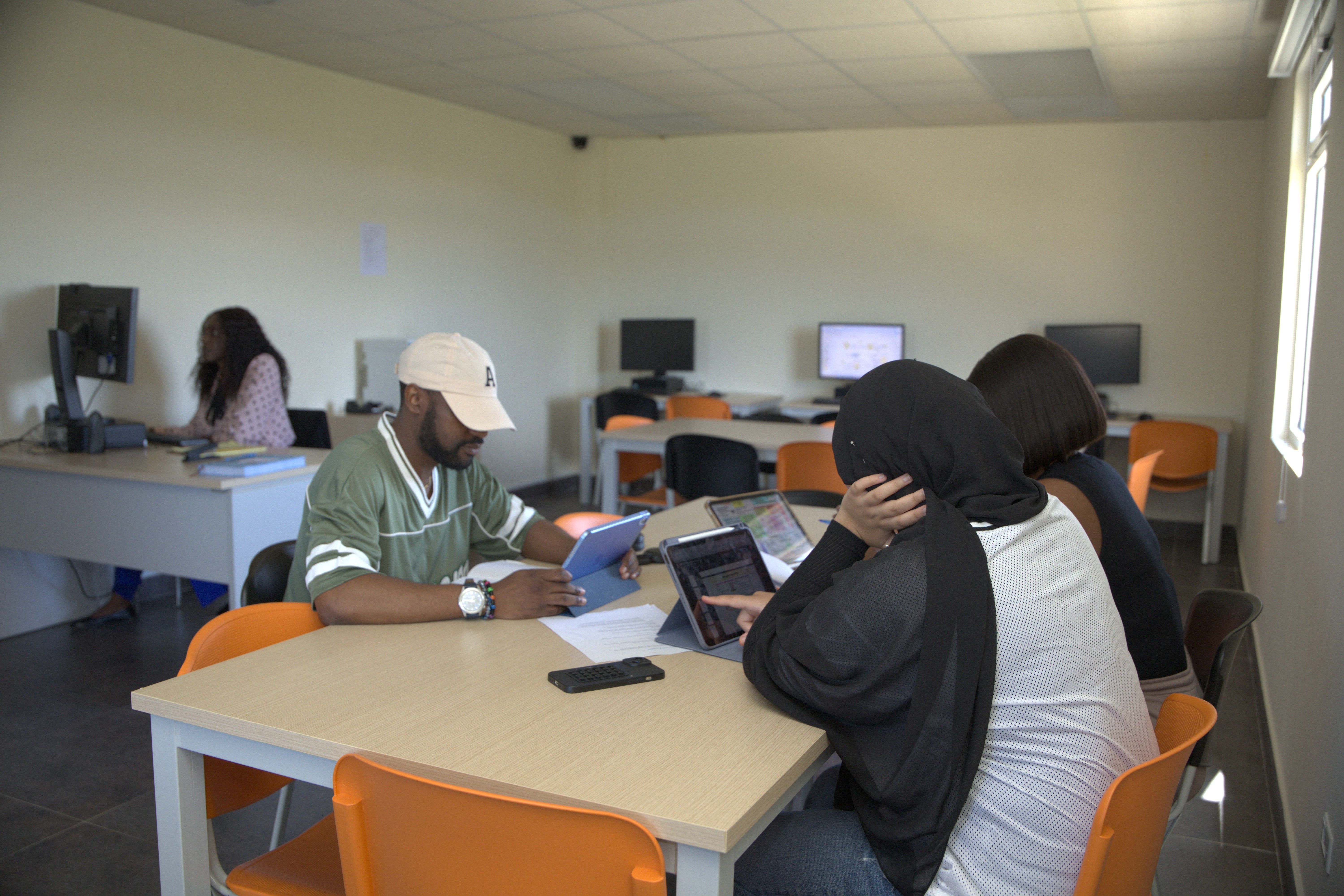
George Hill, Anguilla, 11 August 2026 -- New Anglia University highlights the continuing importance of clinical rotations in medical education as medical schools continue to evaluate how best to prepare students for the transition from academic study to the responsibilities of patient care.
Modern medical education increasingly incorporates simulation, digital learning, virtual cases and other technology-supported teaching methods. These developments have expanded the ways in which students can learn and practice clinical skills. However, supervised experience with real patients remains a critical component of becoming a doctor.
Clinical rotations allow medical students to move from learning about disease to understanding how illness presents in individual patients. Students encounter different symptoms, medical histories, treatment decisions and patient circumstances while learning under the supervision of experienced clinicians.
The World Federation for Medical Education (WFME) includes clinical training resources among the principal areas considered within its standards for basic medical education. Its guidance addresses access to clinical facilities, actual patients, clinical teachers and supervisors, and experience across an appropriate range of generalist and specialist practice settings.
Clinical Rotations Connect Medical Science With Real Patients
The first stages of medical education establish the scientific foundations required to understand health and disease.
Students study subjects including anatomy, physiology, pathology, pharmacology, microbiology and behavioral sciences. However, knowing the mechanisms of disease is different from recognizing and managing illness in an individual patient.
A patient rarely arrives with a diagnosis already established.
Instead, a doctor may need to interpret symptoms, medical history, physical examination findings, laboratory results and imaging while considering several possible explanations for the patient's condition.
Clinical rotations allow students to see how this process works in practice.
Under supervision, students learn to:
- take medical histories;
- perform physical examinations;
- identify important clinical findings;
- present patients to supervising physicians;
- develop differential diagnoses;
- interpret investigations;
- discuss possible management plans; and
- recognize when additional or senior assistance is required.
Repeated exposure to patients allows students to develop the connection between scientific knowledge and clinical decision-making.
Real Patients Present Complexity That Textbooks Cannot Fully Reproduce
Textbooks and clinical cases often present diseases in relatively structured ways. Real patients may be considerably more complex.
A patient with diabetes may also have cardiovascular disease, kidney impairment and several medications. An older patient presenting with confusion may have an infection, medication-related complications, metabolic abnormalities or several contributing conditions.
Patients may also describe symptoms differently from textbook terminology or present with conditions that do not follow a typical pattern.
Clinical rotations expose students to this uncertainty.
They learn that clinical medicine frequently requires doctors to work with incomplete information, assess probability, identify risk and revise their thinking as new information becomes available.
This experience is central to developing clinical judgment.
Clinical Reasoning Develops Through Repeated Practice
Clinical reasoning is one of the most important skills a medical student must develop.
It involves gathering relevant information, recognizing patterns, identifying possible diagnoses, selecting appropriate investigations and considering treatment options while maintaining patient safety.
These abilities cannot be developed through memorization alone.
Students need repeated opportunities to encounter patients, discuss cases with supervisors, receive feedback and compare their reasoning with that of more experienced clinicians.
A student may initially take a long history containing large amounts of information. With experience, the student begins to identify which questions are most relevant to the clinical problem.
The same progression occurs with physical examination, case presentation and interpretation of investigations.
Clinical rotations therefore provide repeated opportunities for students to move from theoretical understanding toward structured clinical reasoning.
Core Rotations Provide Exposure Across Major Areas of Medicine
Medical students need experience across different areas of clinical practice before graduation.
Clinical education commonly includes rotations in major specialties such as:
- Internal Medicine;
- Surgery;
- Family Medicine;
- Pediatrics;
- Obstetrics and Gynecology; and
- Psychiatry.
Depending on the medical program, students may also complete rotations or electives in Emergency Medicine, Neurology, Cardiology, Radiology, Anesthesiology and other specialties.
The Association of American Medical Colleges (AAMC) describes clinical rotations, or clerkships, as the period when students gain first-hand experience working with patients in different specialties under direct supervision. It notes that the number, type and duration of rotations vary between medical schools.
Exposure across specialties is important even when students already have a preferred career direction.
A future surgeon still needs to recognize medical complications. A future psychiatrist needs to understand physical illness. A future internist may need to identify when surgical assessment is required.
Broad clinical education helps students understand how different specialties interact in caring for the same patient.
Students Learn How Healthcare Teams Actually Work
Patient care is rarely delivered by one doctor working independently.
Modern healthcare involves teams that may include physicians, nurses, pharmacists, physical therapists, occupational therapists, radiologic technologists, laboratory professionals, social workers and other healthcare professionals.
Clinical rotations allow students to observe how these teams communicate and divide responsibilities.
Students may participate in:
- rounds;
- clinical handoffs;
- multidisciplinary meetings;
- outpatient clinics;
- operating room activities;
- emergency care; and
- discharge planning.
These experiences help students understand how decisions made by one member of the healthcare team affect the work of others.
They also demonstrate the importance of accurate communication.
A missing piece of information during a handoff, an unclear medication instruction or a failure to escalate deterioration can have direct consequences for patient safety.
Clinical education therefore develops teamwork alongside medical knowledge.
Communication Skills Require Real Patient Interaction
Communication is a clinical skill.
Doctors must be able to obtain accurate information while helping patients feel comfortable discussing symptoms that may be personal, distressing or difficult to describe.
Students also need to learn how communication changes according to the patient and situation.
Speaking with a frightened child differs from speaking with an older patient with cognitive impairment. Discussing chronic disease requires a different approach from taking a history during an emergency presentation.
Clinical rotations provide supervised opportunities for students to develop these abilities.
Students learn how to:
- introduce themselves appropriately;
- explain their role as medical students;
- obtain consent;
- listen actively;
- ask sensitive questions;
- communicate respectfully;
- recognize verbal and nonverbal cues;
- maintain confidentiality; and
- adapt their communication to individual patients.
Simulation can help students practice these skills, but interaction with real patients introduces a level of unpredictability and human complexity that cannot be completely replicated.
Simulation Supports Clinical Education but Does Not Replace It
Simulation has become an important part of modern medical education.
Students can practice examinations, procedures, emergency scenarios and communication in controlled environments without exposing patients to unnecessary risk.
Simulation can be particularly valuable before students perform a skill in a clinical setting.
However, simulation and clinical rotations serve different purposes.
WFME's standards specifically ask medical schools to consider their use of both simulated and actual patients and how students obtain access to clinical facilities offering an appropriate range of generalist and specialist experience.
A simulated patient can help a student practice taking a history. A mannequin can help a student learn a procedure. A virtual case can test diagnostic reasoning.
Real clinical environments add other dimensions: uncertainty, competing priorities, continuity of care, multidisciplinary teamwork and responsibility toward an individual patient.
The strongest medical education therefore uses simulation to support and prepare students for clinical experience rather than treating it as a substitute for supervised patient contact.
Supervision Determines the Quality of a Clinical Rotation
Simply placing students in a hospital does not automatically create effective clinical education.
The quality of a rotation depends heavily on supervision, educational objectives, opportunities for participation and feedback.
Students should understand:
- what they are expected to learn;
- which activities they may undertake;
- who is responsible for their supervision;
- when direct supervision is required;
- how their progress will be assessed; and
- how concerns can be raised.
Clinical supervisors play an important role in helping students interpret what they encounter.
A student may examine a patient and reach an incorrect conclusion. The educational value comes from discussing the case, understanding why the reasoning was incomplete and applying that learning to the next patient.
Feedback therefore turns clinical exposure into structured clinical education.
What Makes a High-Quality Clinical Rotation?
The quality of clinical training depends not only on where students complete their rotations, but also on how those rotations are structured, supervised and integrated into the medical program.
Well-structured clinical rotations should:
- be formally arranged and overseen by the medical school rather than independently organized by students;
- form an integrated part of the medical curriculum;
- provide experience across an appropriate range of specialties, including medicine and surgery;
- include clearly defined learning objectives for each rotation;
- provide sufficient in-person interaction with patients and healthcare professionals;
- allow students to develop practical and clinical skills safely under appropriate supervision;
- provide opportunities to work with and learn from multidisciplinary healthcare teams;
- be of sufficient duration for supervisors to make meaningful judgments about students' abilities and progress;
- provide regular feedback and end-of-rotation assessment or sign-off;
- progressively develop students' clinical exposure, patient interaction and level of responsibility as they advance through the program;
- operate under formal written agreements between the medical school and clinical placement providers; and
- be regularly monitored by the medical school to ensure the quality and effectiveness of the clinical learning experience.
These criteria highlight an important distinction for prospective medical students. Spending time in a hospital is not, by itself, equivalent to completing a structured clinical rotation. Clinical training should provide defined educational outcomes, appropriate supervision, meaningful patient contact, assessment and continuing institutional oversight.
Assessment Should Measure Performance in Clinical Settings
Medical students must eventually demonstrate that they can apply their knowledge in practice.
Clinical education may therefore include assessment through:
- observed histories;
- physical examinations;
- case presentations;
- workplace-based assessments;
- clinical logbooks;
- supervisor evaluations;
- practical examinations; and
- structured feedback.
Assessment in clinical environments allows educators to identify whether students can transfer knowledge from examinations and textbooks into patient-facing situations.
It may also identify areas requiring further development before students progress to greater responsibility.
A student may possess strong theoretical knowledge but need additional support with communication, organization or clinical examination. Another may communicate effectively with patients but need to strengthen diagnostic reasoning.
Clinical assessment helps make these differences visible.
Hospital and Community Settings Provide Different Learning Opportunities
Clinical education does not take place only in large teaching hospitals.
Students may train in:
- tertiary hospitals;
- regional or community hospitals;
- primary care settings;
- mental health services;
- outpatient clinics; and
- other healthcare environments.
Each setting provides different educational opportunities.
Large hospitals may expose students to complex disease, specialist services and multidisciplinary teams. Community and primary care settings may provide greater experience of continuity of care, chronic disease management, prevention and the early presentation of illness.
WFME standards recognize the importance of providing an appropriate range of clinical practice settings and ask medical schools to consider the balance between community-based and hospital-based placements.
A broad clinical education helps students understand not only how illness is treated in hospitals, but how patients move through healthcare systems.
Clinical Rotations Help Students Choose Their Future Specialty
Clinical rotations also influence career decisions.
Students may enter medical school believing they want to pursue a particular specialty before they have experienced its day-to-day clinical work.
Rotations allow them to observe:
- the types of patients treated;
- the conditions commonly managed;
- the balance between inpatient and outpatient care;
- the procedures performed;
- the working environment; and
- the responsibilities of physicians at different stages of training.
A student interested in Surgery may discover a stronger interest in Internal Medicine. Another may encounter Psychiatry, Pediatrics or Family Medicine for the first time during clinical training and decide to pursue that specialty.
Elective rotations can then provide opportunities for students to explore particular areas in greater depth.
Clinical experience therefore contributes not only to competence but also to informed career planning and future residency decisions.
The Location and Structure of Clinical Rotations Matter
Prospective medical students should examine clinical training arrangements carefully before selecting a medical school.
It is not enough to know that a program includes clinical rotations.
Students should ask:
- Where are the clinical rotations completed?
- Which hospitals and healthcare organizations participate?
- Which core specialties are included?
- How many weeks of clinical training are required?
- When do rotations begin?
- Who supervises students?
- Are students able to interact with real patients?
- How are clinical competencies assessed?
- Are electives available?
- How are clinical sites quality-assured?
- What happens if a placement does not provide the expected educational experience?
- Can students complete rotations in the healthcare system where they hope eventually to practice?
These questions are particularly important for students considering international medical schools, including Caribbean medical schools, where basic sciences and clinical education may take place in different countries.
The location of a medical school therefore does not necessarily determine where a student will complete all of their medical education.
Clinical Training Is Increasingly International
Medical education has become increasingly international.
Students may complete their academic studies in one country and undertake part of their clinical education in another. Distributed models can provide access to different healthcare systems, patient populations and clinical environments.
WFME has developed separate standards addressing distributed and distance learning in medical education. These standards recognize that hospitals, primary care centers and community services located away from the central medical school can form part of an institution's managed educational provision when appropriate support, supervision and quality assurance are in place.
For internationally mobile medical students, the important issue is therefore not simply whether rotations occur away from the main campus.
The more important questions concern educational quality, supervision, curriculum integration, assessment and oversight.
For students intending to pursue graduate medical education in the United States, the location of clinical rotations may also form part of their broader planning for U.S. residency applications, specialty selection and familiarity with the U.S. healthcare environment.
What Students Should Look for in Clinical Training
Before enrolling at a medical school, students should understand how the clinical phase of the program is organized.
They should consider:
- the range of available clinical sites;
- exposure to core specialties;
- access to patients;
- the quality of clinical supervision;
- the number and duration of rotations;
- assessment methods;
- opportunities for electives;
- exposure to hospital and community medicine;
- the healthcare systems in which training takes place; and
- how the medical school monitors the quality of its rotations.
A large number of clinical sites can provide flexibility and breadth, but numbers alone do not determine educational quality.
Students should look for evidence that rotations are structured, supervised, assessed and integrated with the wider medical curriculum.
Looking Ahead
Medical education will continue to change as simulation, artificial intelligence, digital learning and new teaching technologies develop.
These tools can improve the way students acquire knowledge and practice clinical skills. However, medicine remains a patient-facing profession.
Future doctors must learn how to interpret uncertainty, communicate with patients, work within healthcare teams, make clinical judgments and apply medical knowledge safely in real healthcare environments.
Clinical rotations remain the point at which many of these abilities come together.
Through its MD program, New Anglia University combines academic medical education with structured, supervised clinical training across its international network of affiliated hospitals and healthcare settings.
Clinical rotations are arranged and overseen by the University and form an integrated part of the MD curriculum. The University maintains formal written agreements with its clinical partners, with defined arrangements covering supervision, educational responsibilities, learning objectives, student assessment and the monitoring of clinical learning opportunities.
Students progress through core clinical rotations and electives that provide in-person patient interaction, supervised development of practical and clinical skills, experience working with multidisciplinary healthcare teams and exposure across major areas of medicine. Student progress is assessed throughout the clinical phase, with supervisors providing feedback and confirming achievement against the relevant learning objectives.
The University's clinical training model includes opportunities in the United States and the United Kingdom, allowing eligible students to gain experience within healthcare systems relevant to their intended postgraduate pathways while completing the clinical requirements of their medical education.
As medical education continues to evolve, the quality, supervision, structure and institutional oversight of clinical rotations will remain among the most important factors students should examine when choosing where and how to study medicine.
Contact details: info@newanglia.com Tel: +1 264 498 3768/+44(0) 204 553 3768


Legal Disclaimer:
EIN Presswire provides this news content "as is" without warranty of any kind. We do not accept any responsibility or liability for the accuracy, content, images, videos, licenses, completeness, legality, or reliability of the information contained in this article. If you have any complaints or copyright issues related to this article, kindly contact the author above.
